
Next generation
wastewater
infrastructure
Decentralized by design
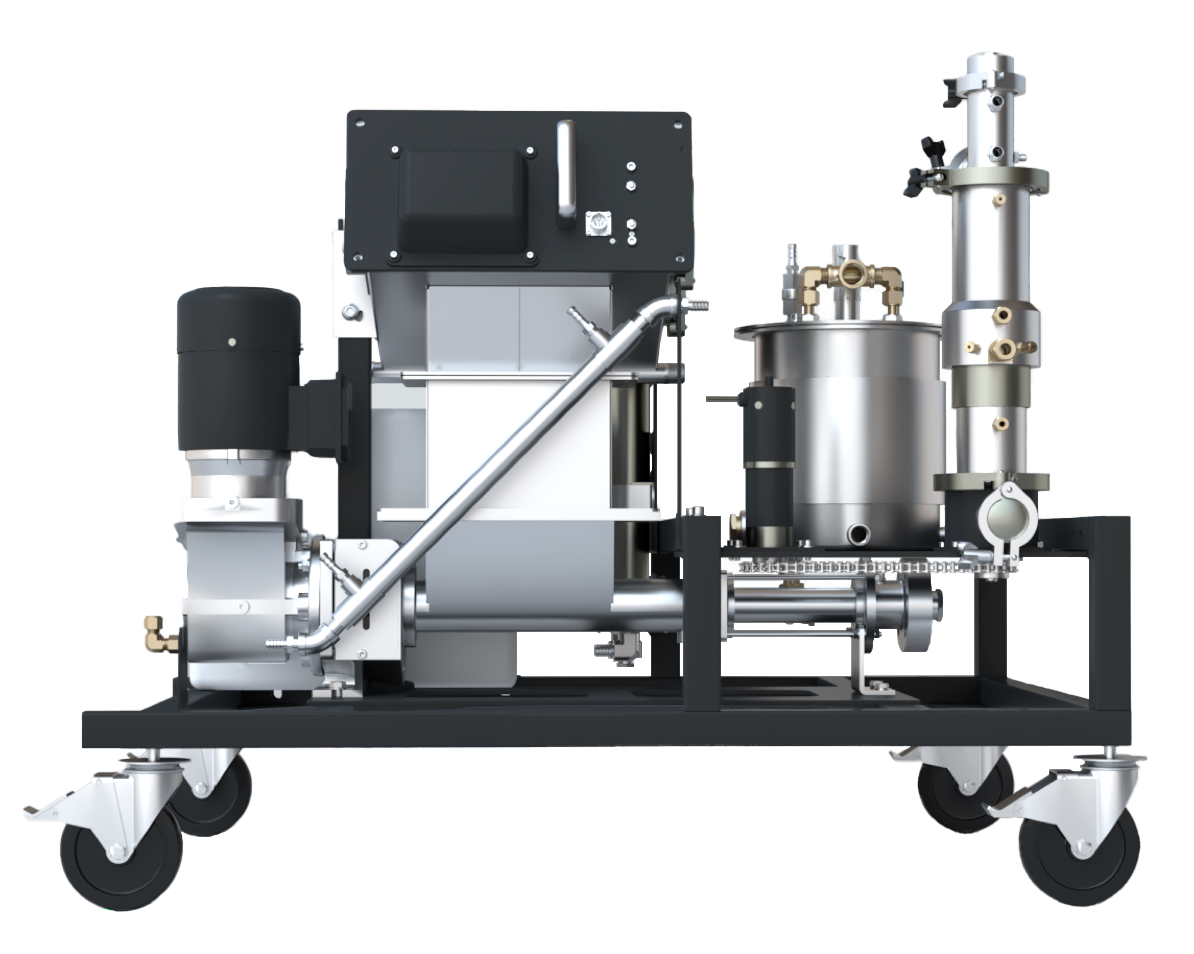
Sankoya treats waste at source to reduce cost, accelerate deployment and decarbonize the wastewater sector

Centralized wastewater infrastructure is struggling to keep pace with rising costs, growing demand and increasing climate pressures
Globally, only 50% of wastewater is treated
Infrastructure Constraints
Expensive to build and operate
Multi-year lead times
Fixed capacity and difficult to meet community’s evolving demand
Vulnerable to impacts of climate change
Increasing regulations are increasing costs
Environmental Impact
9% source of global methane emissions
Accounts for 4% of global power consumption
Requires 10+ acres of land
Requires >100L water/person/day
Growing Demand
Rapid urbanization is increasing demand
Existing systems are operating at or beyond capacity
Demand growth is difficult match with fixed-capacity infrastructure
Cost-effective, accessible, and sustainable waste treatment - reimagined
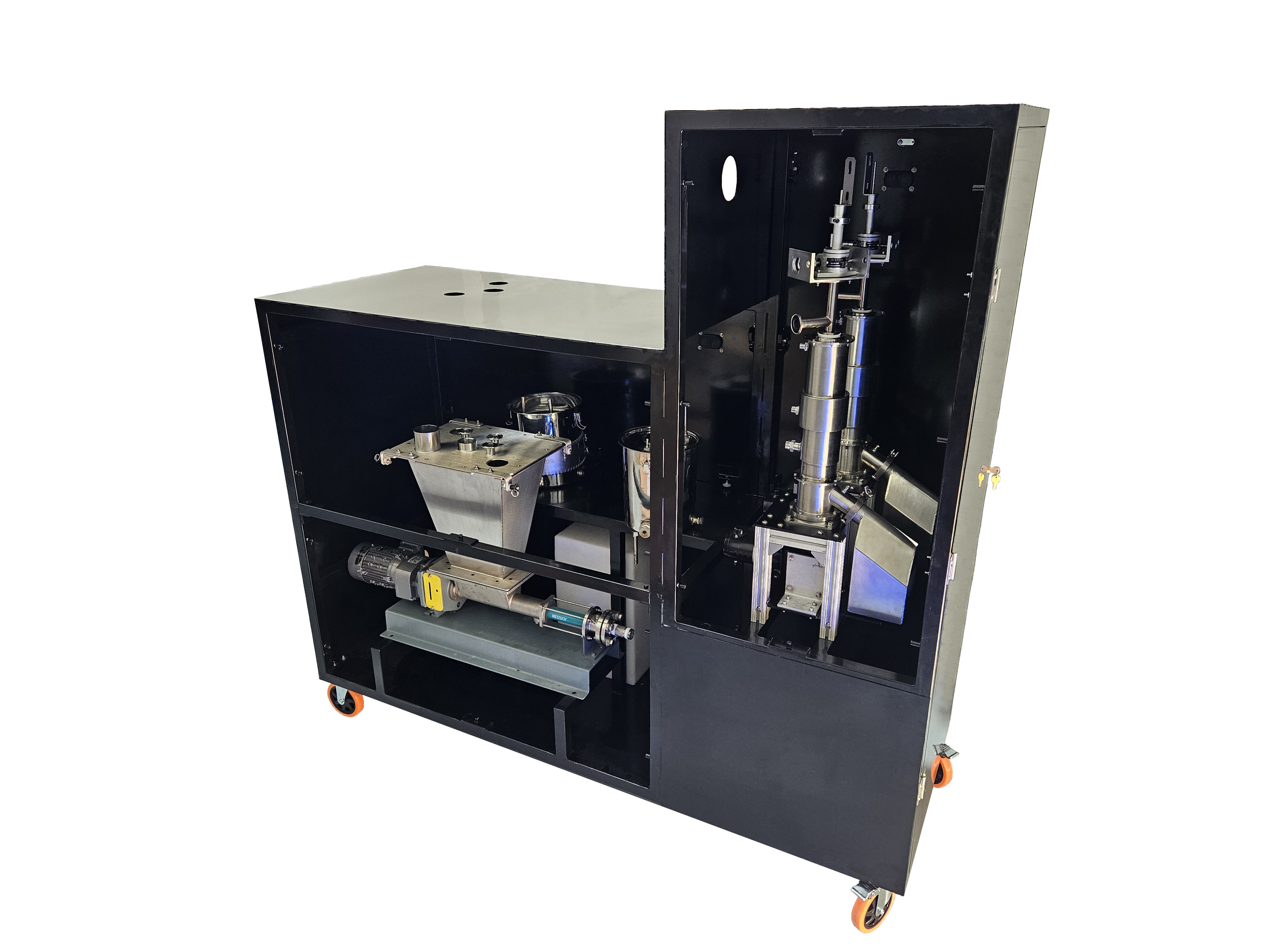
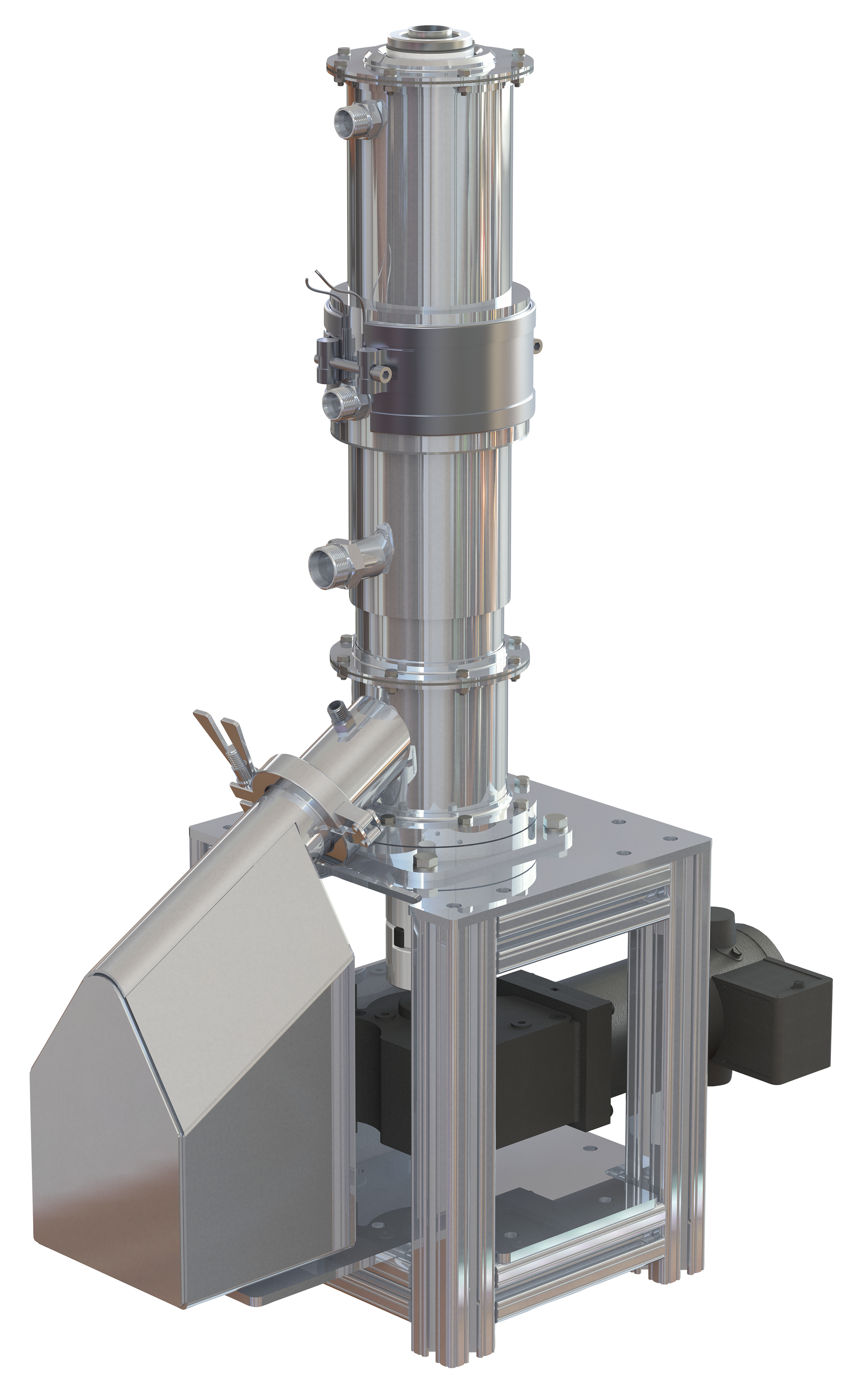
Sankoya's decentralized, on-site solution treats waste directly at its source, eliminating costly downstream services. Our patented process converts solid organic waste into pathogen-free ash in under 30 minutes.
Scalable and versatile, our technology adapts to varying waste volumes across multi-user facilities, residential applications, and wastewater operations. Communities and service providers can reduce costs, respond faster, and meet their sustainability goals.
A Better Way to Treat Wastewater
Lower Cost
Eliminates high upfront capital investment
Eliminates leading O&M categories including power, specialized labour, consumables and haulage

Lower Carbon
Elimination of carbon intensive steps like sludge management results in a carbon footprint that is 1/3000th compared to centralized systems

Faster Deployment
Installed in days not years
Modular approach allows communities to scale capacity as demand evolves
Rapid Treatment

1
Solid waste converted into pathogen-free ash in 30 minutes
Significant Mass Reduction

2
97% reduction in mass
Energy Efficient

3
15 Wh/kg energy intensity
Automated Operation
4
Self regulating treatment cycles reducing operational complexity
Efficient thermal treatment eliminates methane emissions associated with decomposition in conventional systems
Methane Free
5
Sankoya’s decentralized treatment technology can be deployed across a range of settings to reduce cost, improve service and preserve resources.
Applications
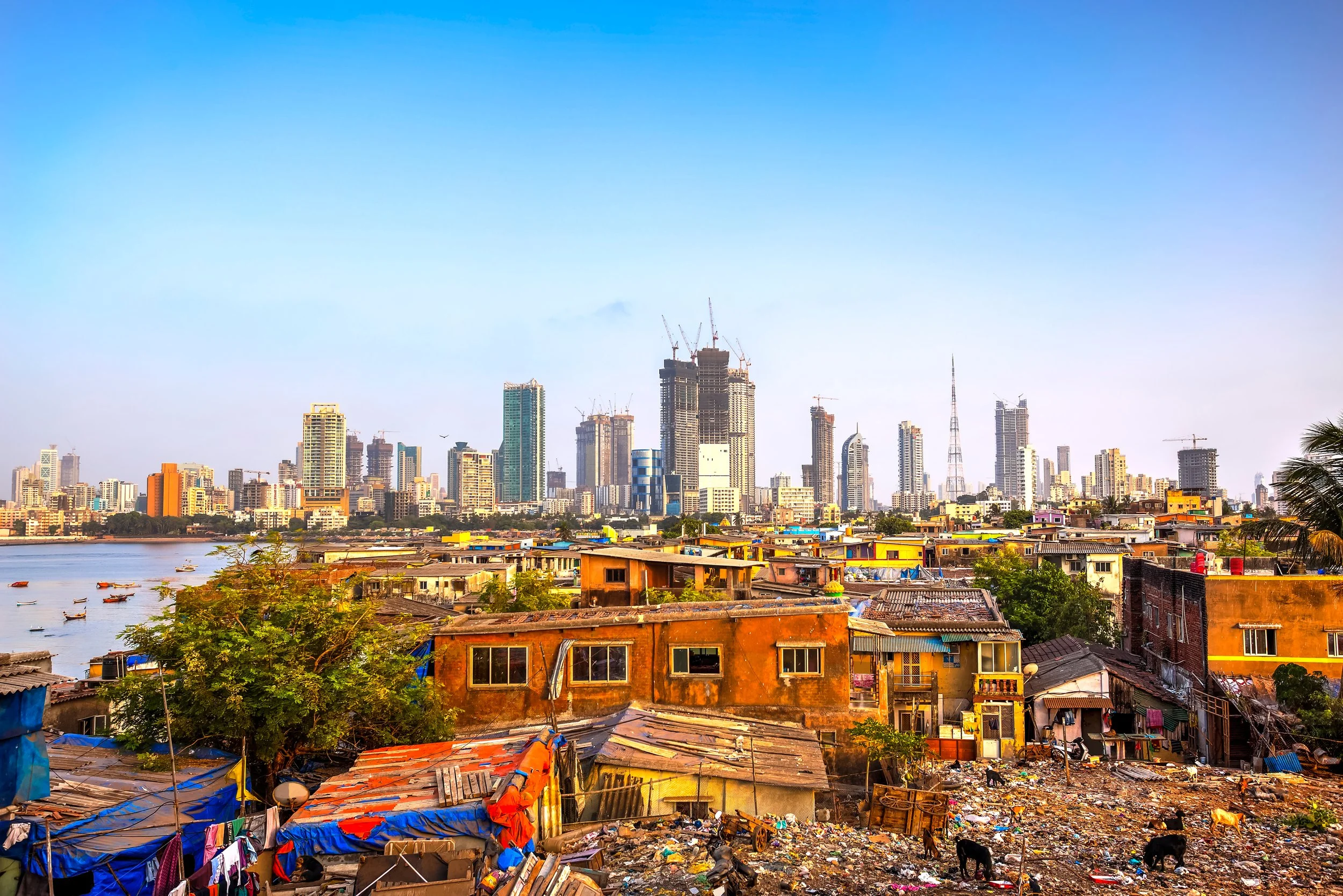
High Density Urban Neighbourhoods
Accelerate service to meet rapidly growing and evolving demand.
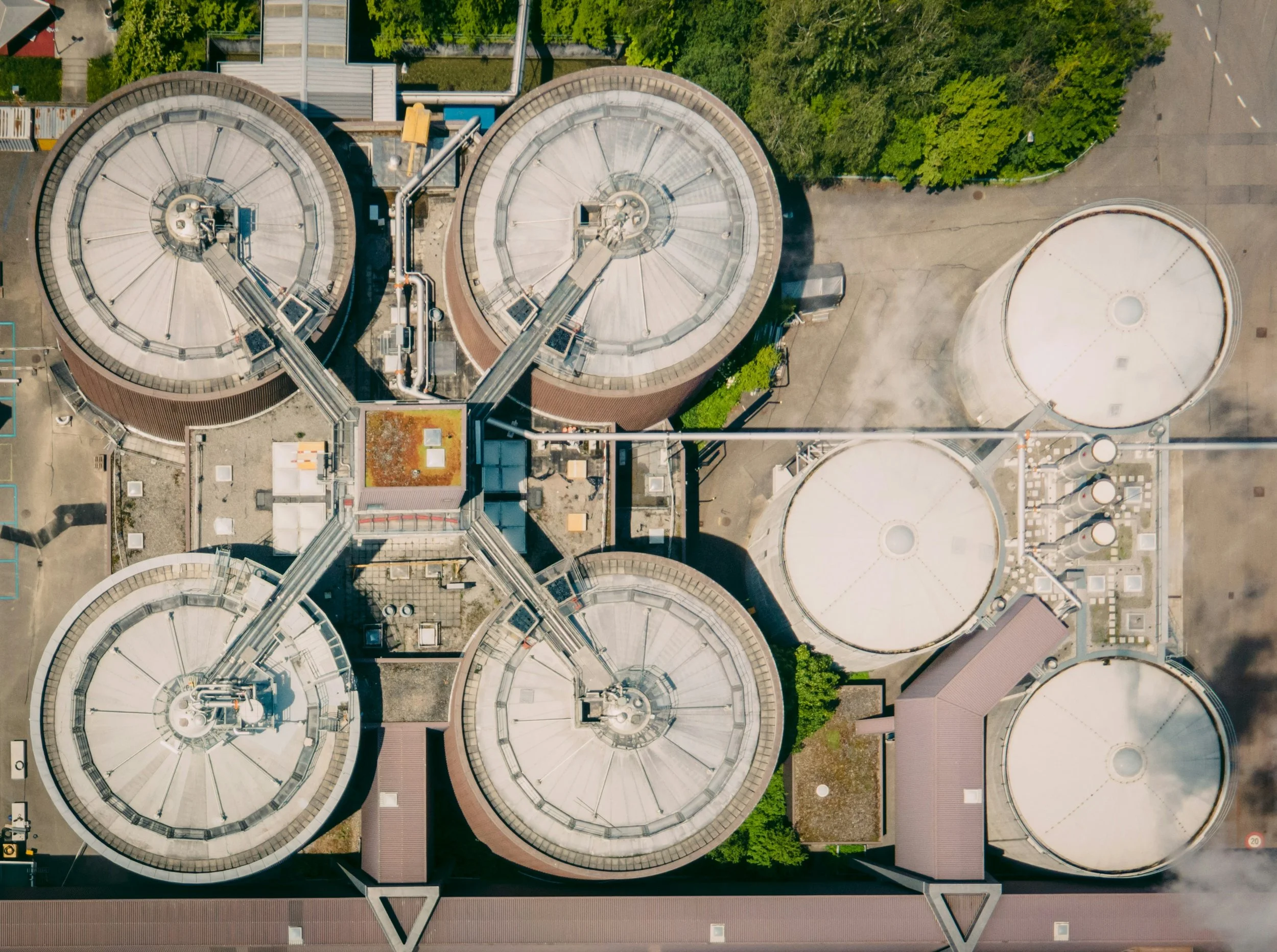
Wastewater Utilities
Reduce sludge transport and disposal costs while conserving landfill capacity and eliminating methane emissions.
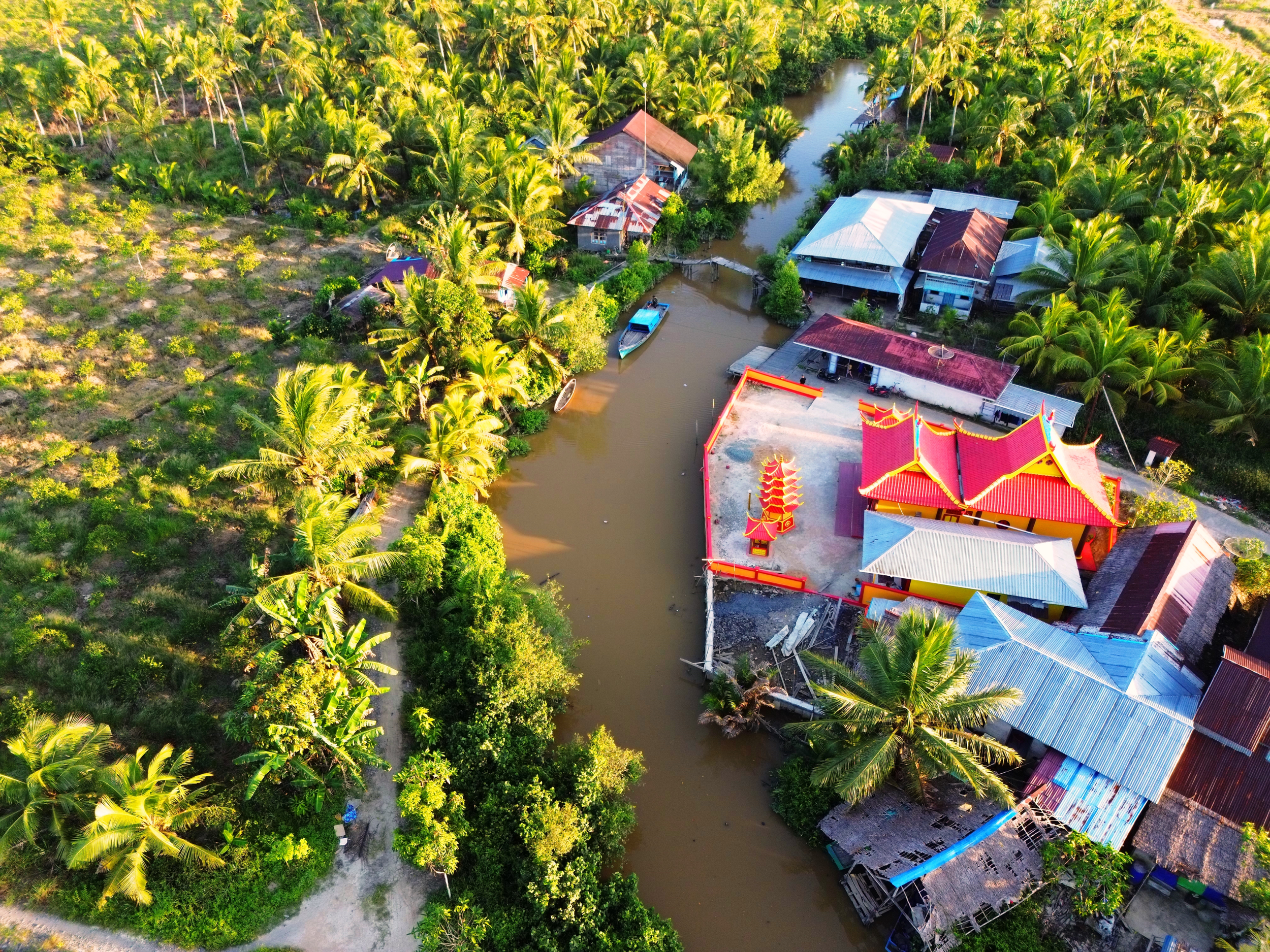
Climate Vulnerable Communities
Increase infrastructure resilience by minimizing service disruptions, reducing recovery time, and eliminating single points of failure.
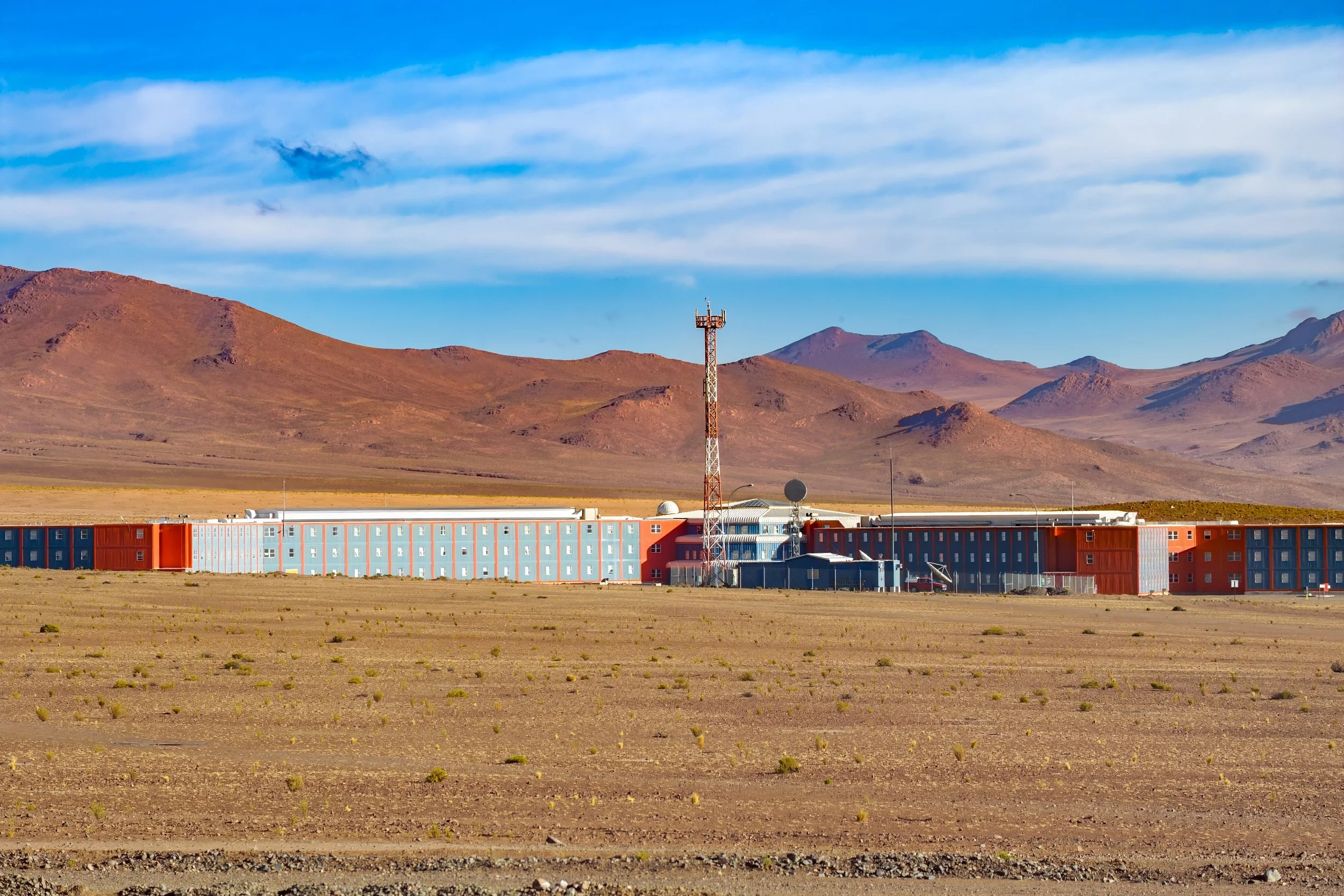
Remote Infrastructure
Deliver cost-effective sanitation in remote sites with high per-capita service costs.
Sankoya is proud to Partner with




Pilots
Deploying the Next Generation of Wastewater Treatment
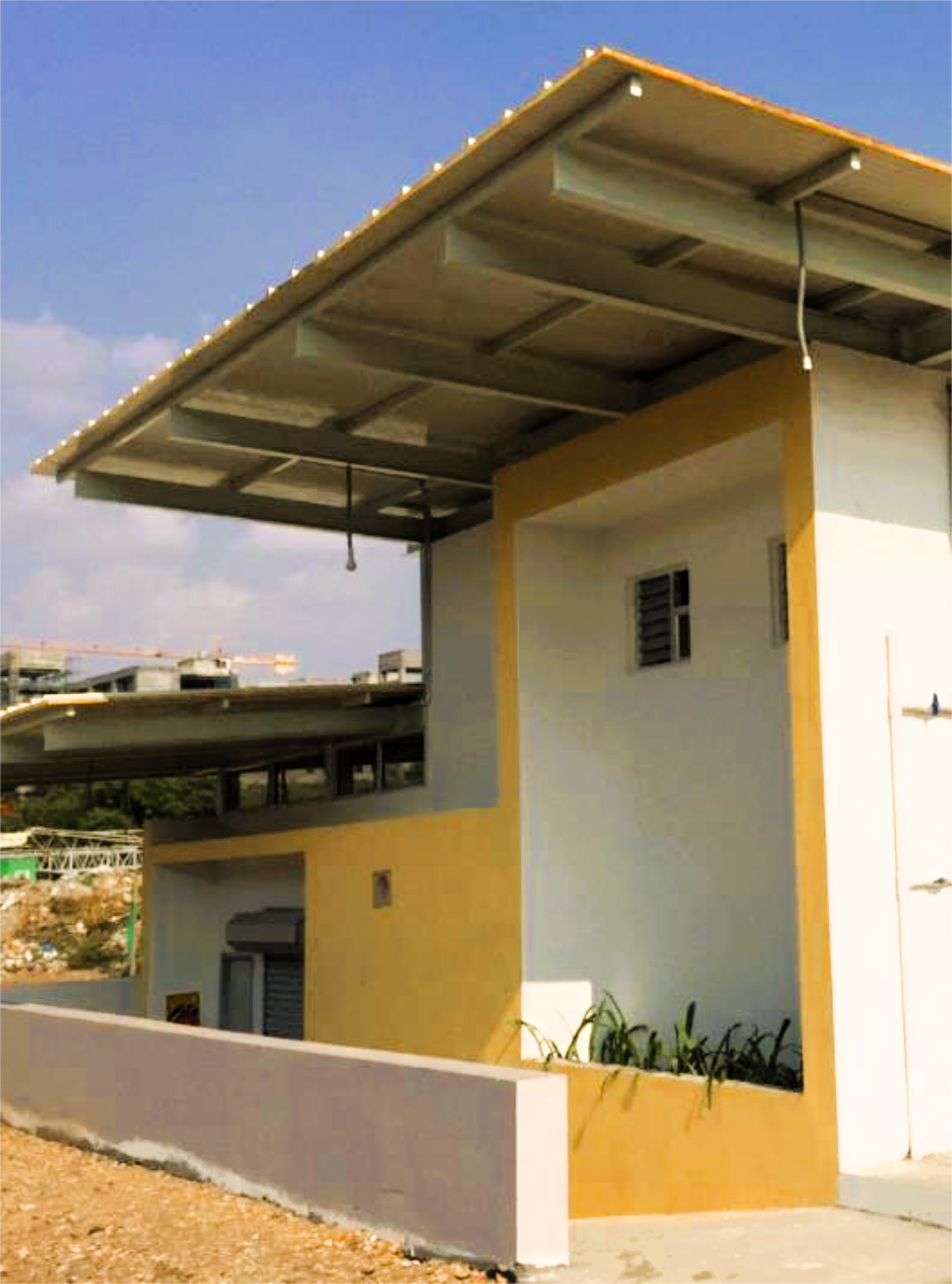
Coimbatore, India (2 pilots):
400 person construction camp
Validated 100% removal of pathogens
High user satisfaction
No issues of misuse
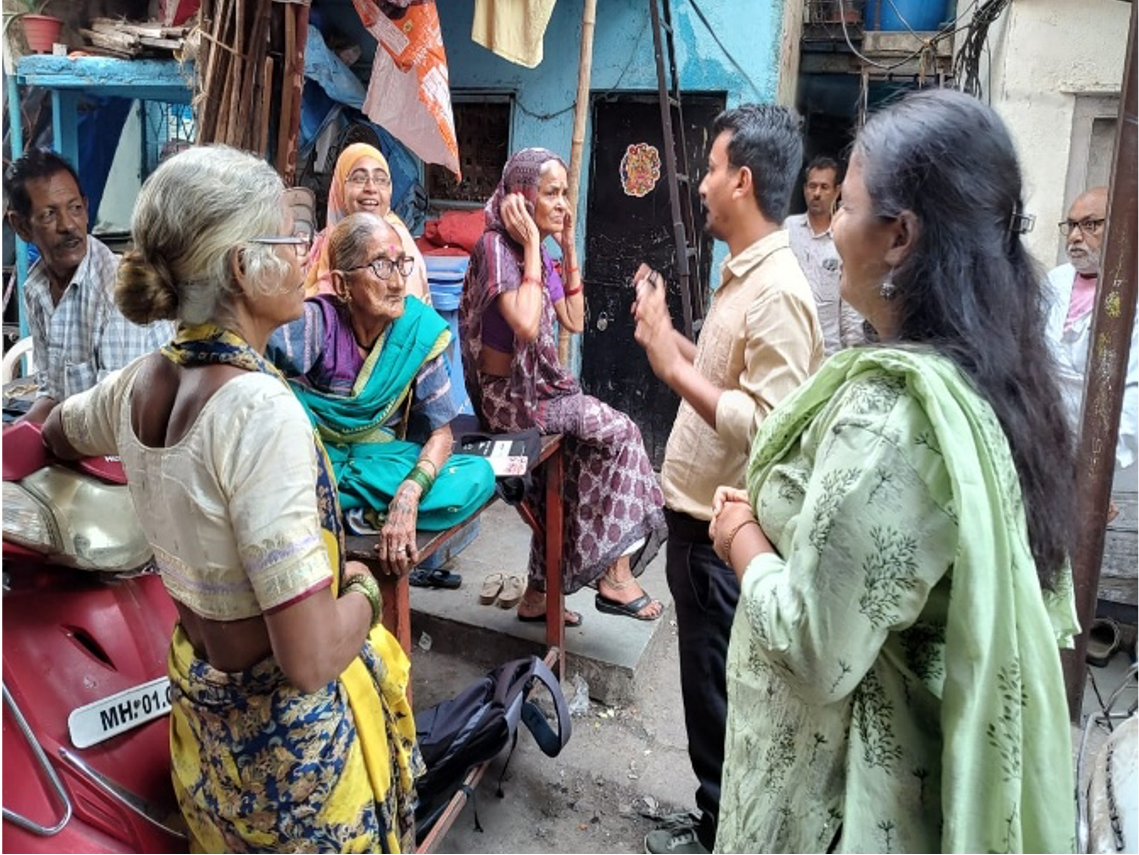
Mumbai, India:
Women’s Facility (operational in 2026)
Expected Outcomes:
Treat 5 tons of solid waste
Displace 230,000 litres of water
Displace 33,000 kg CO2 equivalent
Produce 75kg of pathogen-free ash
Ready to Pilot the Future of Decentralized Wastewater Treatment?
Sankoya is working with partners to deploy next-generation wastewater infrastructure in communities and utilities around the world.
If you're interested in working with us, please reach out through our contact form.